
When work starts costing you more than it should.
Burnout, workplace harm, and finding your way back.
Work can leave you exhausted, questioning yourself, or changed in ways that are hard to explain. Sometimes that comes from what’s happening at work. Sometimes it comes from what the workplace does about it. Still Cracked helps you work out which — and what might actually help.
Not sure where to start?
You don’t need to know what you need yet.
Answer a few questions about what’s happening, and we’ll point you somewhere useful.
If you’re here, something happened
Work can take more than you agreed to give.
Time and energy are the expected costs. Most people plan for those.
Nobody plans for the rest of it. Three people leave and their work doesn’t. The target goes up and the hours don’t. You don’t finish on time now — you just finish the work later, at home.
And somewhere in there it starts taking something else: your sleep, your confidence, the sense that you’re no longer good at something you used to be good at.
None of that appears on a timesheet. It is still a cost, and it is still real.

Beyond burnout
Burnout is part of the story. It isn’t the whole story.
Burnout can develop when the demands of work keep outweighing the resources, support or capacity available to meet them.
But not everything harmful at work is burnout. Sometimes the strain comes from the demands of the work itself. Sometimes it comes from the conditions you’re expected to work in. Often, it’s both. It can also come from being asked to act against your values, or from an organisation you expected to protect or support you doing the opposite.
These experiences can overlap. Naming the difference matters, because they do not all need the same response.
What might be happening:

Practical resources
Start with what you need right now.
Burnout doesn’t usually arrive with a handy instruction manual. These psychologist-created resources are designed to help you understand what’s happening, work out what might help, and take the next step.
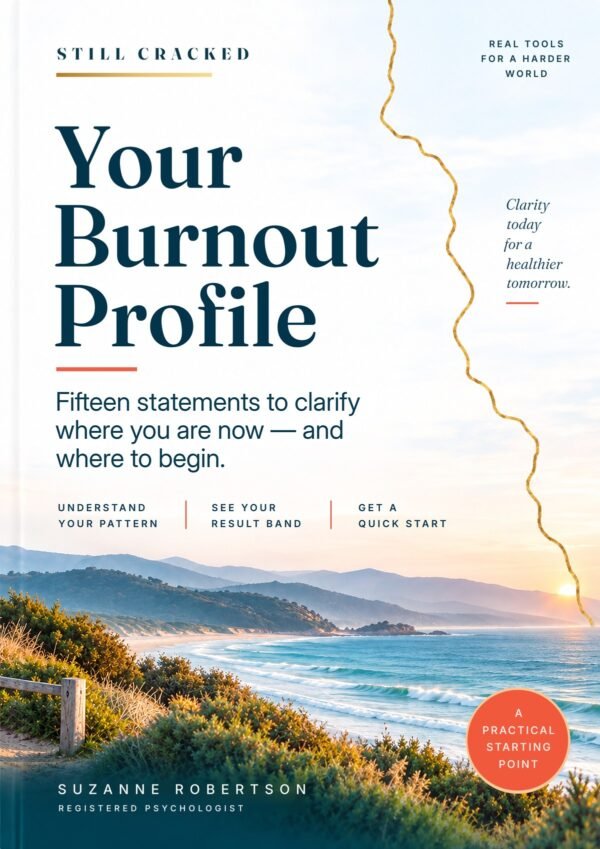
Burnout Profile
Work out what may be driving it.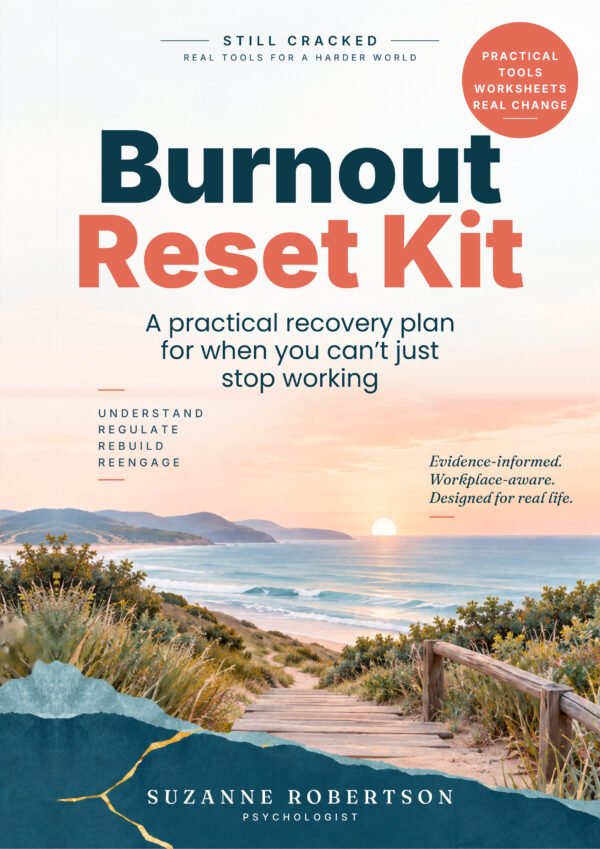
Burnout Reset Kit
Practical support when work is taking too much.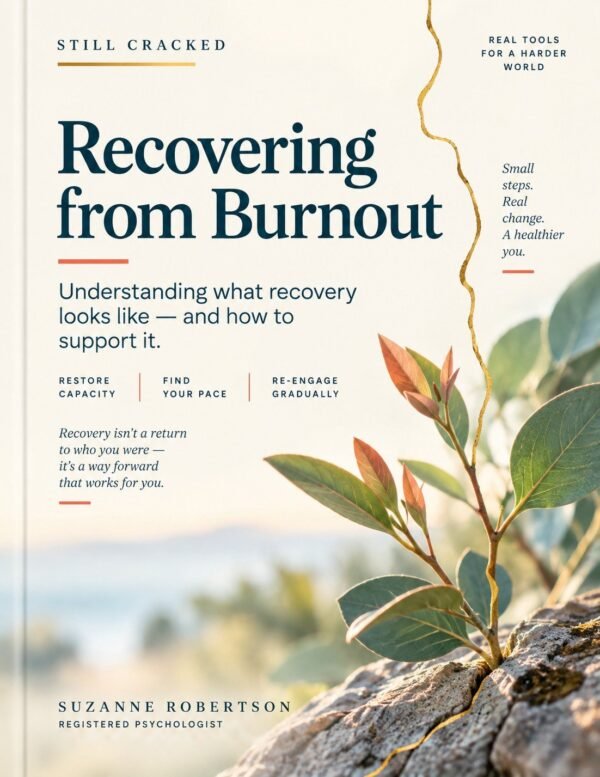
Recovering from Burnout
A clearer guide to what recovery can actually look like.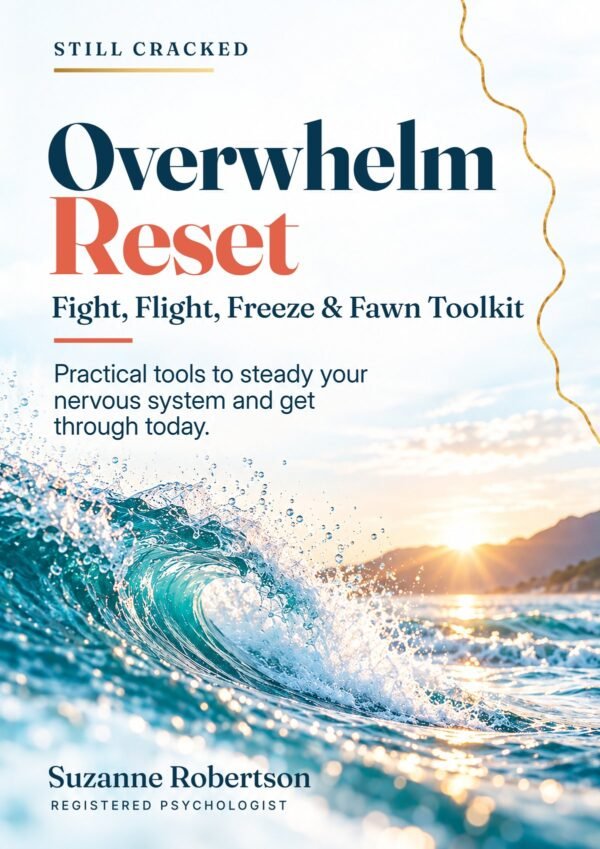
Overwhelm Reset
A steadier way through overload and nervous-system strain.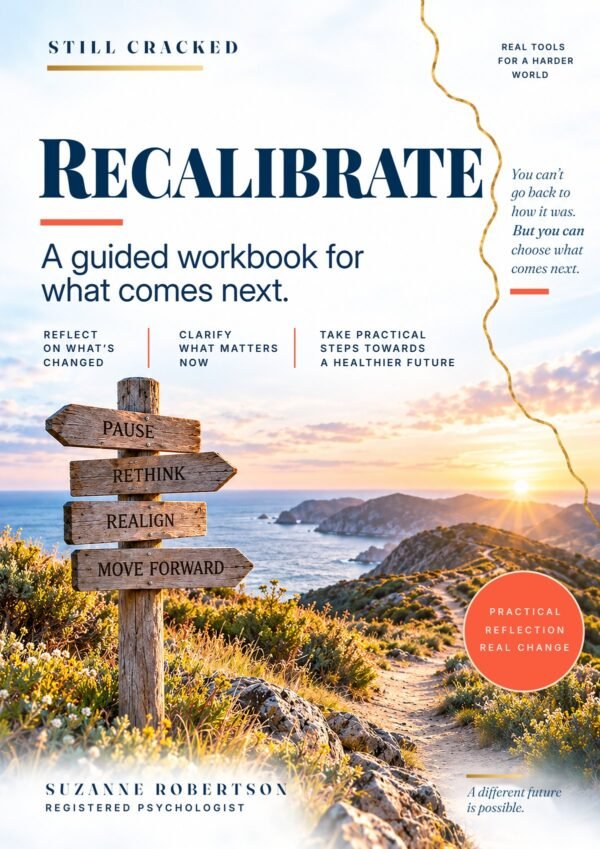
RECALIBRATE
A practical reset for when you need to regroup.

Why this exists
Suzanne Robertson
Psychologist
For more than twenty-five years as a psychologist, I’ve worked with people trying to understand what happens when work starts costing them more than it should.
Sometimes burnout is part of the answer. Sometimes the bigger picture includes workload, workplace relationships, exposure to distress, moral conflict, organisational culture or what happened after something went wrong.
I created Still Cracked to keep that bigger picture in view — and to turn the psychology and research into practical resources people can actually use.
Sometimes it’s what’s happening at work.
Sometimes it’s what the workplace does.
Sometimes it’s what it all gets put down to.